Global decarbonization efforts in “hard-to-abate” sectors — especially maritime transport — have reached a decisive inflection point. With the first commercial-scale e-methanol plant in Kassø (2025), e-methanol is moving rapidly from concept to industrial reality, triggering new announcements across Europe and regulatory frameworks accelerate the transition.
Methanol plays a dual strategic role in this change:
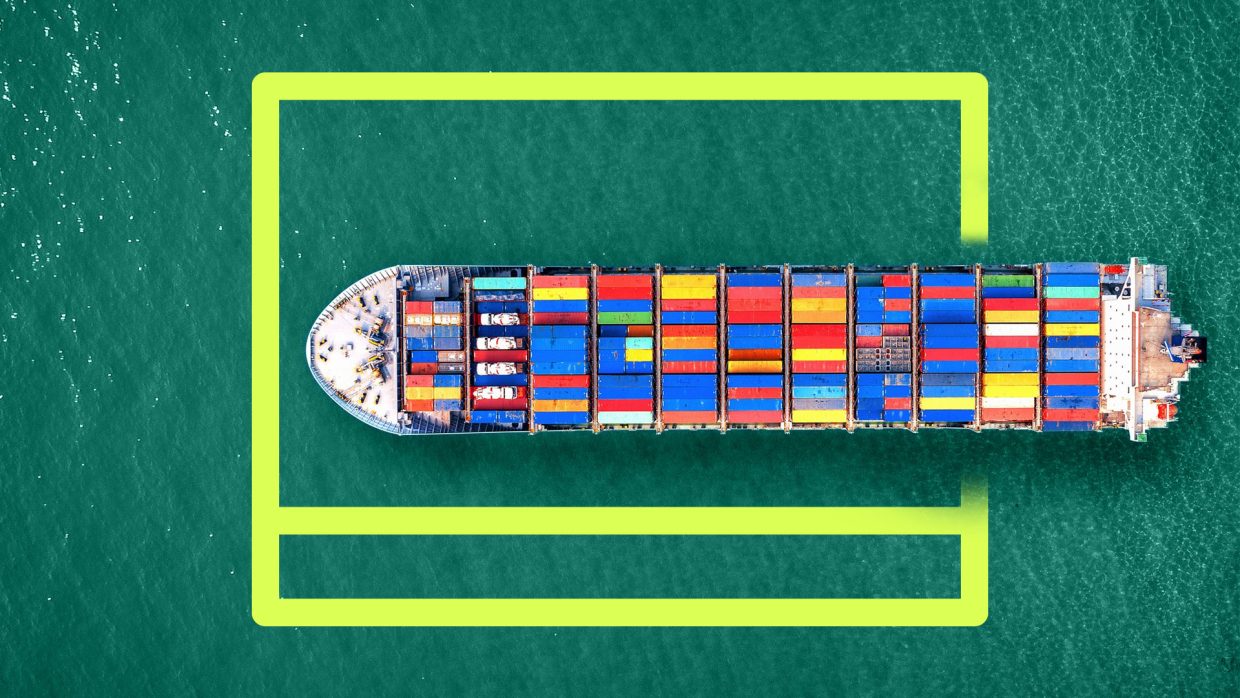
- Scalable e-fuel for maritime shipping, enabled by favorable handling properties, infrastructure compatibility and a fast-growing methanol-ready fleet.
- Key C1 platform chemical that enables the defossilization of downstream chains (formaldehyde, acetic acid, olefins, polymers) without redesigning existing processes.
The main challenge remains the “Green Premium”: E-methanol is currently 4–10x more expensive than fossil methanol due to costly green hydrogen, CO₂ sourcing and capital-intensive technology. With scaling and falling hydrogen prices, costs are expected to drop toward ~2-3x fossil levels, a threshold at which high-value
applications (e.g., automotive & electronics plastics) become economically viable. Growing maritime demand will accelerate production, creating a virtuous cycle: Higher volumes lead to lower costs, accelerating broader adoption, enabling the progress toward a circular “Methanol Economy”, where CO₂ is captured, converted and recycled.
To unlock this potential, coordinated action is needed:
- Industry: Focus on low-sensitivity components and use green materials as differentiators.
- Policy: Expand renewable-feedstock quotas, strengthen tools like H2Global and support clusters linking production with ports and chemical parks.
In essence: E-methanol is on track to become a central pillar of Europe’s decarbonized industrial future, simultaneously enabling green shipping, transforming chemical value chains, and strengthening the continent’s competitive positioning in low-carbon materials.